Mobile Medical Care
What mobile medical care actually is
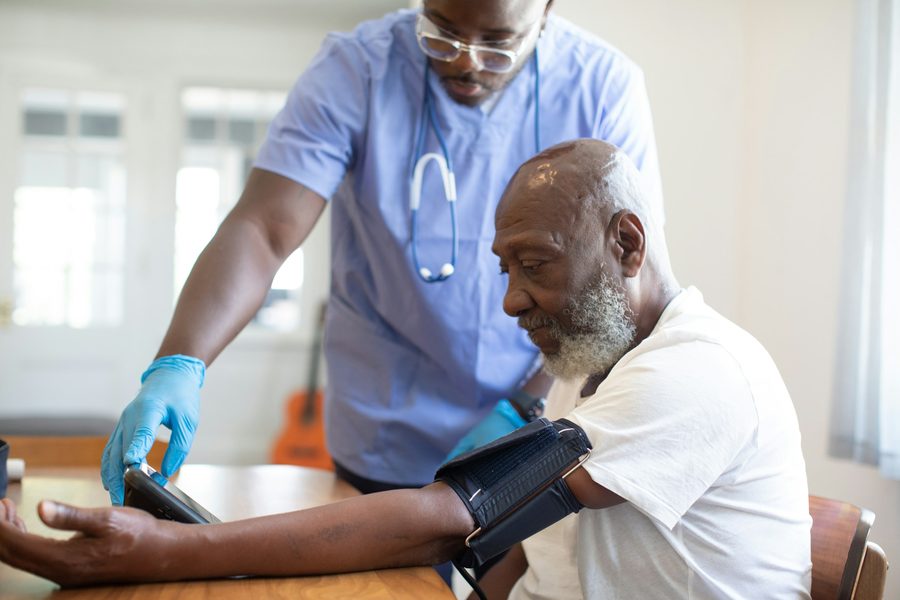
Mobile medical care is any medical service that travels to the patient. A house-call physician or nurse practitioner examines your father on his own couch, adjusts his heart medications and orders blood work. A portable X-ray technician images a sore hip in your mother’s assisted living apartment instead of loading her into a car. A mobile phlebotomist draws labs at the kitchen table.
Many house-call practices serve as the person’s primary care provider, managing every chronic condition at home. Others visit alongside an existing doctor, or focus on one need: palliative care for a serious illness, wound care, podiatry, dental hygiene, eye exams or hearing tests.
Mobile care is different from home health. Home health is short-term nursing and therapy ordered after an illness or hospital stay. A house-call provider is the doctor or nurse practitioner, and can be the one who orders home health, hospice, equipment and tests.
What mobile providers in Utah can bring to the door
House-call primary care
Physicians and nurse practitioners who examine, diagnose, prescribe and manage chronic conditions at home or in a care community.
Palliative care
A team focused on relief from pain, breathlessness and other symptoms of a serious illness, alongside treatment, at any stage.
Mobile urgent care
A clinician for urgent problems that aren’t life-threatening, like a urinary infection, dehydration or a minor fall without serious injury.
Portable X-ray and ultrasound
Imaging brought to the bedside on a doctor’s order, with results sent to the ordering provider.
Mobile lab draws
Blood draws and samples collected at home or in a facility, so no one has to sit in a lab waiting room.
Dental, foot, eye and hearing care
Mobile hygienists, podiatrists, eye care and audiology for people who can no longer get to an office easily.
Signs it may be time for care that comes to you
- Appointments are being cancelled because getting there is too hard
- Every doctor visit leaves your loved one exhausted for days afterward
- Repeat ER visits for problems that could have been caught earlier
- Dementia makes unfamiliar places frightening or impossible
- A serious illness is getting worse and comfort is becoming the priority
How Utah Care Network helps with mobile care
We find who serves the address
Mobile providers cover set areas. We look for practices that actually visit your loved one’s home or community.
We match the need
Primary care, palliative care, X-ray, labs or dental: we help you find the right kind of mobile provider, not just the closest one.
We connect the rest of the care
House-call providers often order home health, hospice and equipment. We help you line those up too.
Questions to ask a mobile or house-call provider
Bring these on a call or a tour. A good provider will be glad you asked.
- Do you visit our address, and how soon can you see a new patient?
- Will you be the main doctor, or visit alongside our current doctor?
- How often will you visit, and who answers the phone after hours?
- Can you order labs, X-rays, home health, equipment and hospice?
- Do you accept Medicare and our plan? What will we pay per visit?
- How do you share notes with specialists and the hospital?
Mobile Medical Care: common questions
See all 14 mobile medical care questions and who to call
Do doctors still make house calls in Utah?
Yes. Physician and nurse practitioner house-call practices serve homes, assisted living and memory care communities across the Wasatch Front and in other parts of Utah. Coverage areas vary, so ask whether a practice visits your loved one’s address.
Does Medicare pay for a doctor to come to the house?
Medically necessary visits by doctors and nurse practitioners in the home are generally covered under Medicare Part B, like office visits. The usual deductible and 20% coinsurance apply.
Does my parent have to be homebound for a house call?
No. The homebound requirement applies to Medicare home health services, not to a doctor or nurse practitioner visit at home.
What is the difference between palliative care and hospice?
Palliative care focuses on comfort and symptom relief for a serious illness at any stage, alongside treatment. Hospice is for people who are no longer seeking a cure and are expected to live six months or less if the illness runs its usual course.
When should we call 911 instead?
Call 911 for chest pain, trouble breathing, signs of a stroke, a serious fall or head injury, severe bleeding, or if your loved one is very hard to wake. Mobile urgent care is for problems that are urgent but not life-threatening.
On the Utah care map
20 mobile medical care providers listed in Utah
Most in Murray, West Jordan, Washington, Layton, Magna, Lindon. Search by city or ZIP, or ask a guide to find the right fit for free.
Are you a mobile medical care provider? Premium listings show first on the care map, with your logo, a photo gallery and a virtual tour.
Family Guides
Guides for families about mobile medical care

Other kinds of care we help families find
 Hospice
 Home Health
 Home Infusion
 In-Home Personal Care
 Senior Living
 Assisted Living
 Memory Care
 Skilled Nursing & Rehab
 Adult Day
 Respite Care
 Case & Care Management
 Medical Equipment
 Home Modification
 Long-Term Care Pharmacy
 Medical Transportation
 Dialysis
 Hospitals
 Addiction Recovery
 Mental Health
Sources
- Medicare.gov: Doctor and other health care provider services
- Medicare.gov: Home health services
- Medicare.gov: Hospice care
This page is general information, not medical, legal or financial advice. Coverage rules change; confirm details with the program or your plan. Last reviewed November 23, 2026.
